What is patellofemoral pain syndrome and pain around the kneecap?
With patellofemoral complaints, you experience pain around or behind the kneecap. This type of pain at the front of the knee occurs when the kneecap does not move smoothly over the thigh bone during bending and straightening. This can cause pressure and irritation behind the kneecap, also known as patellofemoral pain syndrome. These complaints are common in athletes and in people who put prolonged strain on their knees, for example when climbing stairs, squatting, or sitting for long periods.
Position and function of the patellofemoral joint
The patellofemoral joint consists of the kneecap (patella) and the groove of the thigh bone in which the kneecap moves. This structure ensures that forces are properly distributed during movement. When the position or movement of the kneecap changes, extra pressure can develop behind the kneecap and pain may occur.
Impaired movement of the kneecap
With patellofemoral complaints, the kneecap sometimes moves less stably through the groove of the thigh bone. This can be caused by muscle weakness, overuse, or a changed leg alignment. As a result, pressure on the joint increases and complaints may arise, such as pain behind the kneecap or a pressing sensation during movement.
How do complaints at the front of the knee develop?
Patellofemoral complaints usually arise from a combination of overuse and reduced control of the kneecap. Weak thigh muscles, an altered walking pattern, or a rapid increase in training load can create extra pressure on the joint. This can lead to pain at the front of the knee during daily activities.
Symptoms of pain behind the kneecap
- Pain around or behind the kneecap
- Pain when squatting or standing up
- Pain when climbing or descending stairs
- An unstable feeling in the knee
- A pressing sensation or stiffness at the front of the knee
Why does climbing stairs often hurt with kneecap complaints?
With patellofemoral complaints, the pressure behind the kneecap increases when the knee is bent. Especially when climbing stairs, squatting, or standing up from a chair, the kneecap has to work harder to guide the movement. When the kneecap moves less stably, this can lead to pain. Strengthening the muscles around the knee and reducing overuse can help to reduce these complaints.
Diagnosis and treatment of patellofemoral pain syndrome
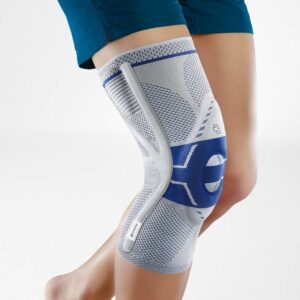
Patellofemoral pain syndrome is generally well treatable. The most important step is identifying the source of the pain, for example by consulting a physiotherapist. It is important to improve the alignment of the kneecap so that it can move properly within the groove. A patella brace is an (elastic) knee strap with a visco-elastic pad. This pad applies pressure to the patellar tendon below the patella (kneecap). This pressure helps the patella track better within the knee groove (trochlea). The knee brace is easy to wear under clothing and has a low-profile design. This type of kneecap brace can be worn during sports, but can also be used in daily life if symptoms require it.
Support with a knee brace for kneecap problems
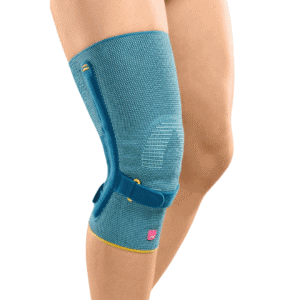
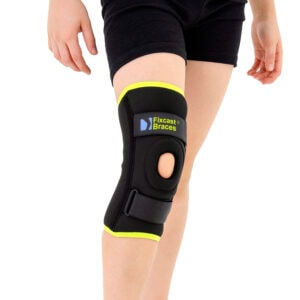
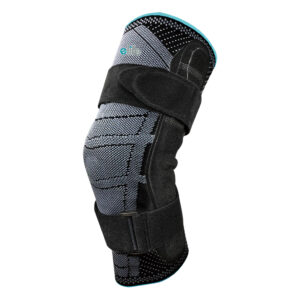
A knee brace can provide valuable support for patellofemoral complaints by helping to stabilize the kneecap and reduce pressure behind it during movement. Targeted support around the patella improves the tracking of the kneecap, which can help reduce pain and improve control of the knee joint. Especially during activities such as climbing stairs, squatting, walking, or prolonged standing, a knee brace can provide additional confidence and stability. Depending on the severity of the symptoms, you can choose an elastic knee brace for light support or a model with patella support or a stabilizing ring for more targeted stability. This helps reduce overuse and allows you to move more comfortably during daily activities and sports.
Benefits of a knee brace for pain behind the kneecap
Wearing a knee brace can help reduce pressure behind the kneecap and relieve pain. A good knee brace supports the kneecap during movement and can improve knee control.
- Supports the kneecap and reduces instability
- Helps with climbing stairs and squatting
- Reduces pressure behind the kneecap
- Provides extra stability during movement
- Suitable for sports and daily use
- Comfortable and adjustable design
- Limits movement without full immobilization